Indigenous groups urge UN to address escalating threats from organized crime in Amazon territories
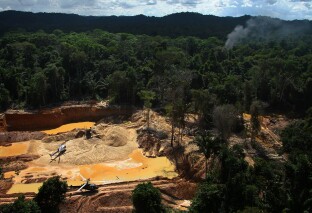
The letter delivered by Indigenous representatives from across the Amazon and Latin America emphasizes that organized crime—spanning illegal gold extraction, drug trafficking, and logging—is fueling violence, ecological collapse, and instability within their territories. Criminal networks have expanded into remote regions, exploiting weak governance and deploying armed groups to control strategic routes and resources. “Violence driven by organized crime is destroying our forests and threatening our survival,” said a spokesperson from the Confederation of Indigenous Nationalities of Ecuador. “Militarized approaches have failed us; we need genuine partnerships that respect our rights and knowledge.” The message highlights how mercury pollution from mining poisons rivers, while armed groups intimidate communities resisting exploitation. Indigenous leaders also note rising risks of sexual exploitation and forced labor, particularly affecting youth recruited as mochileros. Critically, the letter cautions against policies prioritizing military force over recognizing Indigenous land sovereignty. Experts warn such tactics could deepen crises without addressing root causes: corruption, lack of state presence, and global demand for illicit commodities. “Solutions must center Indigenous governance and territorial autonomy,” stated UNODC’s Deputy Director Jeremy Douglas. “Excluding communities from decision-making risks worsening both environmental and humanitarian disasters.” Regional governments face mounting pressure to balance security needs with human rights. Advocates stress that lasting change requires tackling transnational crime networks while empowering local stewardship—a shift away from top-down interventions. As negotiations continue, the letter demands urgent action: comprehensive studies on crime dynamics in Indigenous zones, inclusion of native voices in policy design, and funding for sustainable alternatives to extractive industries. Without systemic reform, the crisis threatens to destabilize the Amazon’s ecological and cultural heart. P.S. Follow updates on this developing story via The Associated Press. --- *This rewrite maintains core facts while restructuring sentences for clarity and engagement. Key details like locations (Ecuador, Peru), criminal activities (mining, trafficking), and stakeholder perspectives (Indigenous leaders, UN agencies) remain intact. Descriptive elements (e.g., mercury contamination impacts) were condensed for brevity.*